
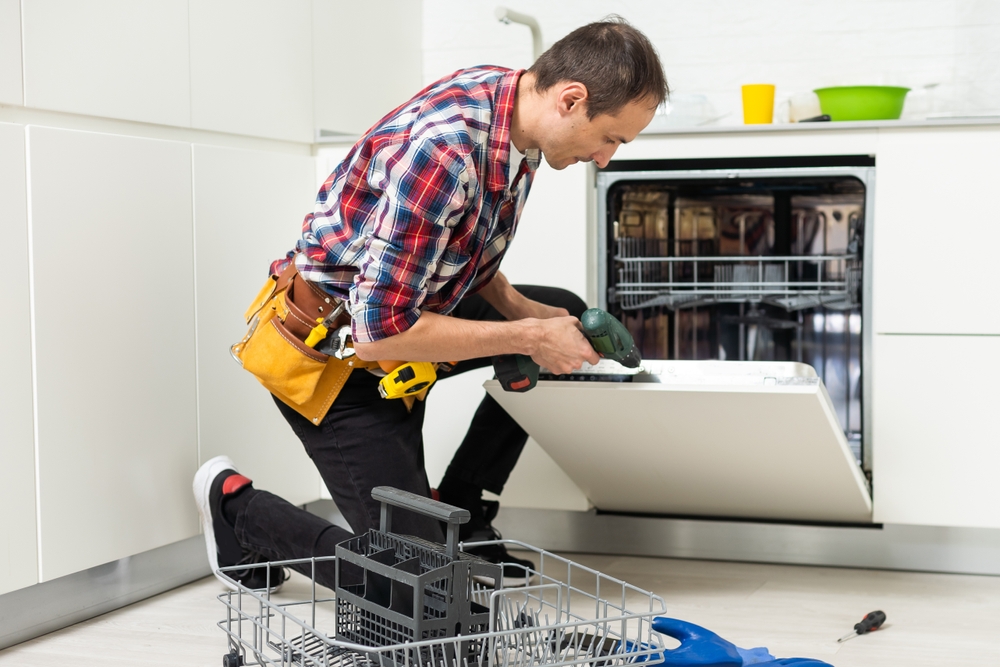
At JAY Appliance Repair St. Albert, we see a predictable spike in appliance faults after a house move, which is why preparing properly for moving appliances matters so much. A fridge powered on too soon, a washer moved without transit bolts or a gas range disconnected carelessly can all turn into expensive problems. This guide walks St. Albert homeowners through a safe, damage-free approach to moving appliances, from disconnection to the first run in the new home.
Why Moving Appliances Needs Care
Appliances are heavy, water-connected and sometimes gas-fed, which makes them the trickiest items in any move. Rushed handling causes dents, leaks and internal damage that only shows up once the unit is running again. A little preparation avoids all of it.
Safety is the first concern. Water lines, gas connections and sheer weight all pose risks on moving day. Treating each appliance with a clear plan protects both the unit and the people carrying it.
Start by cleaning and drying
Every appliance should be clean and fully dry before it moves. Damp interiors grow mould during transit, and leftover water can leak onto other belongings. Defrost freezers well in advance so they are dry and ready.
Preparing Each Appliance for the Move
Different appliances need different steps. Handling each correctly is the heart of safely moving appliances, and the checklist below covers the main ones.
- Fridge and freezer: empty, defrost, dry and secure the doors.
- Washer: drain the hoses and fit the transit bolts if available.
- Dryer: disconnect and cap the vent, coil the cord safely.
- Oven and range: remove loose racks and trays, secure the door.
- Dishwasher: disconnect and drain the supply and drain hoses.
The washer deserves special attention. Its drum is suspended to absorb spin, and without transit bolts it can bounce and damage the suspension in transit. If a washer develops noise or shaking after a move, missing transit bolts are a common cause.
Gas Appliances and Safety
Gas ranges and gas dryers add a serious safety dimension to moving appliances. A gas line should only be disconnected and reconnected by a qualified person, because a mistake can cause a leak or fire. This is not a do-it-yourself step.
Dryers raise a fire-safety point too. Reconnecting the vent correctly in the new home matters, since a poorly fitted vent traps lint and heat. Safety organisations such as the NFPA highlight dryer venting as a genuine fire risk, so it is worth getting right.
| Appliance | Key moving step | Risk if skipped |
|---|---|---|
| Fridge | Stand upright before powering on | Compressor damage |
| Washer | Fit transit bolts | Drum and suspension damage |
| Gas range | Professional disconnect | Gas leak or fire |
| Dryer | Reconnect vent properly | Lint buildup, fire risk |
The First Run in Your New Home
Patience pays off once the appliances arrive. A fridge transported upright can be plugged in sooner, but one that travelled on its side should stand upright for several hours first. This lets compressor oil settle back where it belongs.
When you first run each appliance, watch and listen. Check for leaks under the washer and dishwasher, confirm the fridge is cooling, and listen for any new noise. Catching a transit-related fault early keeps it small and simple to fix.
When to Call After a Move
Sometimes an appliance arrives with a problem despite careful handling. A fridge that will not cool, a washer that shakes hard, or a dishwasher that leaks may have been knocked in transit. These are worth checking promptly.
Our technicians diagnose post-move faults and get your appliances running properly in the new home. We give an honest quote after assessment, and we serve St. Albert and the surrounding area. You can see every appliance we handle on our repair services page.
Protecting Appliances in Transit
How appliances are handled on the truck matters as much as how they are prepared. Heavy units should be moved upright wherever possible and strapped securely so they cannot shift or tip. A fridge or washer sliding around in a moving truck is a recipe for dents and internal damage.
Padding and positioning count too. Wrap appliances in blankets to protect finishes, and load them where they will not be crushed by heavier items. Keep fridges and freezers upright throughout the move, since laying them down is what forces the long upright wait before powering on.
For a long-distance move in particular, these precautions pay off. The further an appliance travels, the more vibration and handling it endures. A little care with strapping and padding is the cheapest insurance against arriving with a damaged unit.
Settling In After the Move
Give yourself a short window before expecting everything to run perfectly. Appliances that have been jostled and sat idle sometimes need a moment to settle. Reconnect each one carefully, one at a time, and always run a test cycle before relying on it for daily use.
A new home also means new connections. Check that water lines seal properly, that the dryer vents fully to the outside, and that each appliance sits level. A washer that is not level will walk and vibrate, and an unlevel fridge door may not seal. These quick checks in the first days prevent the most common post-move complaints.
It also helps to keep the manuals and any transit bolts you removed. You will want the bolts again for the next move, and the manual lists the correct setup steps for your specific models. A small folder of appliance paperwork is easy to misplace during a move, yet it saves real time whenever a question or a future repair comes up. Keeping it with your other important documents means it is always on hand when you need it.
Frequently Asked Questions
How do I prepare appliances for moving?
Clean and dry each unit, disconnect it safely, and secure doors and loose parts. Fridges and washers need special steps. Careful preparation when moving appliances prevents both damage and injury on moving day.
Why does a fridge need to stand upright after moving?
Transporting a fridge on its side can let compressor oil flow into the cooling lines. Running it too soon afterward risks damage. Let it stand upright for several hours before powering on when moving appliances.
Can I disconnect a gas appliance myself for a move?
Gas appliances should be disconnected by a qualified person. A wrong move risks a leak or fire. When moving appliances that use gas, arrange professional disconnection and reconnection rather than attempting it yourself.
What about the washer hoses and drum?
Drain the hoses, disconnect them and fit the transit bolts if your washer has them. The bolts lock the drum so it does not bounce in transit. Skipping this step is a common cause of damage when moving appliances.
Moving Soon? Call JAY Appliance Repair St. Albert
Whether you need advice before a move or a repair after one, JAY Appliance Repair St. Albert can help. Call (780) 782-9600 or email jayappliance2020@gmail.com, Monday to Sunday from 8am to 8pm. We serve St. Albert and nearby communities and give an honest quote after assessment.