
When an oven shuts off in the middle of cooking, it stops more than just dinner. It interrupts the routine, leaves food half-baked, and raises questions we need answers to. We’ve seen how this issue shows up at random moments, which makes it frustrating. Some ovens shut off after preheating. Others turn off in the middle of a bake or broil cycle. This guide explains the real reasons behind it and what to check first. In many cases, you don’t need to take the whole unit apart. You just need to focus on the components that manage heat and power. Let’s walk through it clearly.
Faulty Temperature Sensor Interrupts Operation
Every oven relies on a temperature sensor to track internal heat. When the sensor becomes faulty, it sends incorrect signals to the control board. As a result, the oven may think it’s overheating and shut off early. This issue appears most often when cooking at high temperatures. It can also occur after the oven reaches the set heat and tries to hold it.
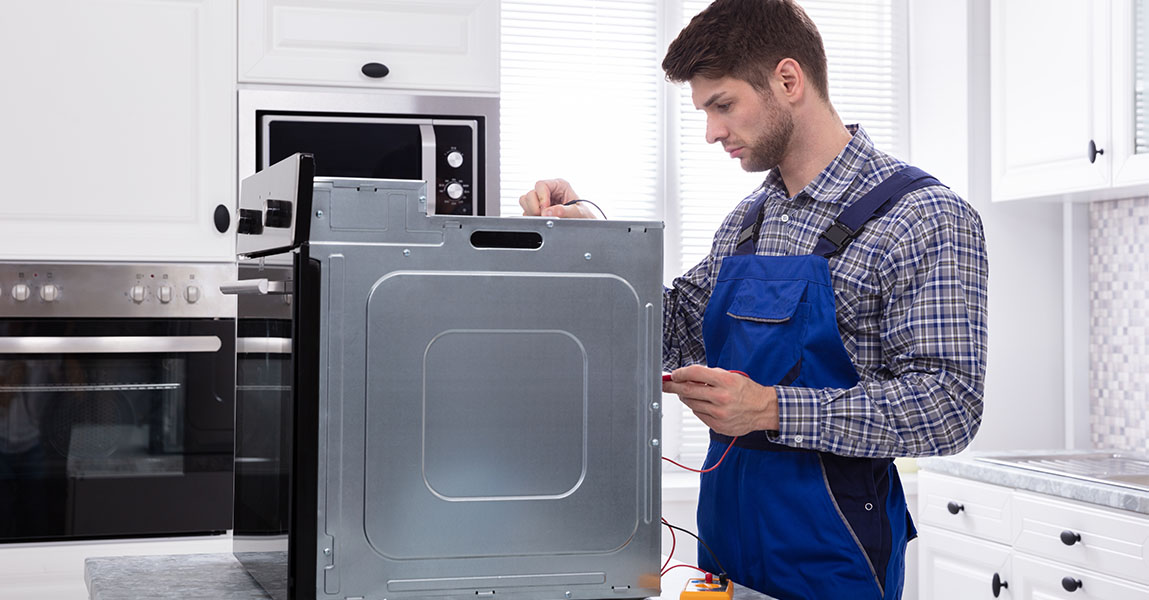
We usually test the sensor by checking the resistance value with a multimeter. At room temperature, the reading should be around 1100 ohms. If the number is far off, the sensor likely needs replacing. It’s a thin metal rod usually attached to the back wall inside the oven cavity. Make sure it’s tight and not coated in grime. Even if it looks fine visually, the readings can still be off. Therefore, we always rely on measurements before assuming it’s okay.
Overheating Safety Switches Cut Power
Some ovens have high-limit thermostats or thermal fuses built in to prevent overheating. These are safety devices that immediately shut off the heating elements if temperatures get too high. But sometimes, the device fails and opens the circuit too early, even when things are normal. Once that happens, the oven either shuts off completely or cools without warning.
This kind of problem is common when the oven vents are blocked. Poor airflow traps hot air and triggers the switch too soon. We’ve also seen this when ovens are installed too close to surrounding cabinets without clearance. In rare cases, dust or grease buildup around the fan causes overheating inside the control panel. For this reason, regular cleanouts are more important than most people realize.
Loose Power Connections Disrupt Heating Cycles
Power problems don’t always mean full outages. In electric ovens, a loose wire on the terminal block can lead to brief power cuts during use. We’ve found that these cuts often affect only one part of the oven, such as the bake element. When voltage drops just enough to confuse the board, the unit may shut off or reset mid-cycle.
Inspecting the rear terminal block is the first step. We make sure all screws are tight and no signs of arcing appear. Burn marks, melted insulation, or discoloration near the plug are all signs that the power delivery isn’t stable. Additionally, some wall outlets have worn prongs that cause plugs to fit loosely. When that happens, it’s best to stop using the outlet until it’s replaced by an electrician.
Main Control Board Stops Mid-Cycle
When none of the basic parts explain the shutdown, we turn to the control board. This is the electronic brain of the oven. It handles temperature readings, relay signals, timers, and more. If the board has damaged solder joints or internal component failure, it can reset or crash without warning.
We sometimes notice blinking lights or flashing error codes before a board goes fully unresponsive. In other cases, it simply dies in the middle of cooking without any beeping or warning. To rule out power supply issues, we first test voltage going into the board. If that checks out, we examine the board itself for signs of damage or corrosion. Diagnosing a board failure properly avoids replacing multiple parts without results. If confirmed, the only fix is to install a new board and program it correctly.
Faulty Door Latch Sensor Cancels Heat
Most people associate door latches with self-cleaning cycles, but modern ovens also use door switches to confirm that the door is closed during normal baking. If this switch fails or sends false readings, the oven may shut off heating as a precaution. We’ve seen units that stop heating a few minutes after closing the door, only to start again after reopening it.
This behavior usually points to a loose or misaligned latch switch. It’s often located behind the front panel or integrated into the top edge of the oven frame. A small adjustment or switch replacement is sometimes all it takes. We suggest checking the latch first before assuming the problem is deeper. That’s because the board relies on accurate door signals to continue normal heating.
Ventilation and Fan Issues Lead to Shutdowns
Many people overlook the cooling fan inside the oven cavity or control panel. However, this small part plays a major role. It prevents components from overheating during long baking or roasting sessions. If this fan fails, airflow stops and internal temperatures rise fast. That triggers shutdowns through built-in safety controls.
We always listen for fan noise after the oven starts heating. If it stays silent or sounds weak, we check the motor and wiring. Dust buildup or broken fan blades can also cause slow rotation. When airflow stops entirely, it causes the oven to shut down during long preheat cycles or while cooking dense items. One good step is making sure the back wall and top of the oven stay free from clutter that blocks airflow.
Internal Wiring Failures Break the Heat Cycle
Older ovens or those exposed to frequent high heat may develop wire insulation damage. As wires flex or vibrate from fan motors, their jackets can wear down. This creates shorts that cause the heating elements to shut off without warning. In extreme cases, it may blow a fuse or damage the control board.
We’ve seen these faults appear after long use in self-clean cycles, especially when wiring near the bake element overheats. Spotting this requires removing panels and inspecting each wire by hand. If insulation has melted, hardened, or turned brittle, that wire is a hazard. We never reuse wires in that condition. A fresh section of high-temperature-rated wire makes sure heat stays controlled and reliable.
Heat Sensor Disruptions May Seem Like Random Stops
In many ovens, heat control depends on a sensor sending feedback to the board. If that signal gets interrupted mid-cycle, the board reacts by cutting power. This might happen only when temperatures change quickly, like going from preheat to bake. It may not trigger a visible error code, but we know something’s off when cycles never finish.
To test this properly, we simulate a full bake cycle and monitor the sensor response. Any jump or drop in readings shows instability. Replacing the sensor is usually simple. It’s held in place with one or two screws inside the oven and connects with a small wire harness. Before we change it, we confirm that the issue isn’t just a loose connector or corroded pin.
Inconsistent Power Supply from Wall Source
At times, the oven isn’t the problem. Instead, the circuit it’s connected to causes drops. Fluctuating voltage from a faulty breaker or shared circuit can cause shutdowns, especially during high-demand hours. If a microwave, toaster oven, and range share the same outlet, temporary overloads may trip protections inside the oven.
We always test voltage at the wall while the oven runs. If the reading drops below 220V or fluctuates widely, the supply is unreliable. A dedicated circuit with proper amperage ensures steady function. For houses with frequent breaker trips or flickering lights, it’s smart to have an electrician evaluate the panel. That avoids damage to both the appliance and wiring over time.
For oven problems that go beyond sensors or fans, we usually investigate deeper internal faults. You can learn more about other appliance behavior by exploring reliable freezer repair in St Albert, where similar control issues often show up. Both systems rely on stable power, sensors, and airflow to function as designed.
If you’re unsure where to start or need local help for an issue that won’t go away, you can reach out through our page for trusted appliance repair in St Albert. We’ve worked with all major models and know the patterns that cause repeat failures.
Feel free to get fast answers and local help through direct contact with JAY Appliances. A technician can walk you through the first checks or book a same-day visit to test the components on-site.
Frequently Asked Questions
Why does my oven turn off when I open the door?
Some ovens pause heating briefly when the door opens, but if it shuts off completely, the door latch sensor may be faulty.
Can a bad control board cause my oven to stop heating?
Yes, if the board has damaged relays or components, it may shut off heating mid-cycle or fail to restart.
Is it dangerous if my oven shuts off randomly?
It depends on the cause. A tripped safety switch or faulty wire can be a sign of overheating or electrical problems.
Why does my oven stop heating after preheating?
This can happen when the temperature sensor or high-limit thermostat misreads internal heat and shuts it down too early.
How do I know if my oven fan stopped working?
If the oven gets unusually hot on the exterior or shuts down during long cycles, the internal cooling fan may not be running.