
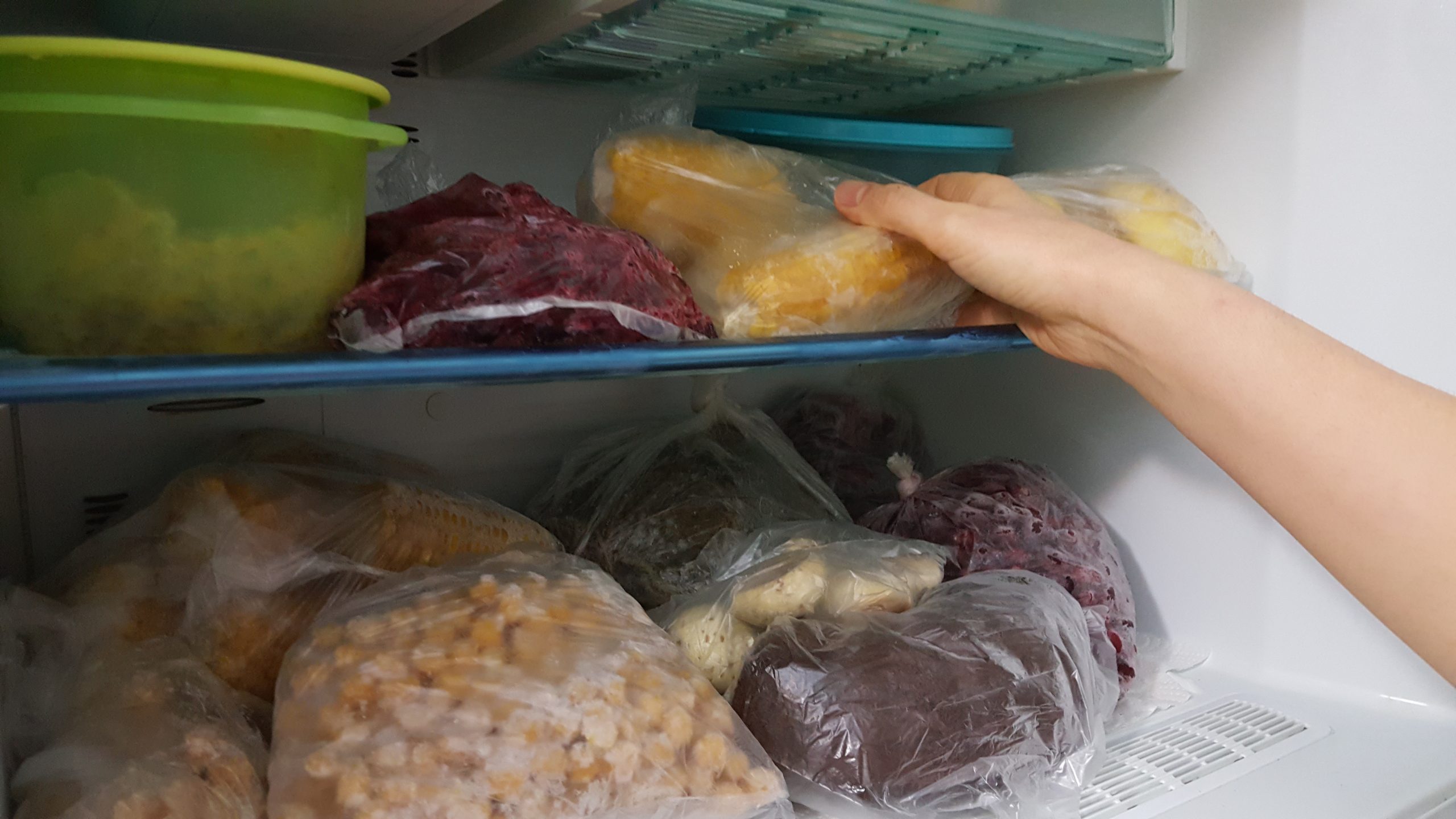
If you’re dealing with fridge freezing food in the back, you’re not alone, and it usually has a clear reason. In many St Albert homes, Jay Appliances sees this happen when airflow, temperature sensing, or loading habits push cold air into one spot. Therefore, the fix often starts with a few quick checks before any parts are replaced.
A refrigerator cools by moving cold air around the fresh food section, but the coldest air often enters near the back wall. As a result, anything sitting too close to vents or the rear panel can freeze, even when the front shelves feel normal. To clarify, the goal is balanced airflow, not “colder is better.”
Fridge freezing food in the back starts with airflow
Cold air needs space to circulate, and the back of the fridge is where the cold air path is strongest. Consequently, if the shelves are packed tightly or containers are pushed against the rear wall, the cold air gets trapped and turns that area into a mini freezer.
Give the back wall breathing room
Try leaving 2 to 3 inches between food and the back panel. For example, leafy greens, berries, eggs, and leftovers in shallow containers are the first to freeze when they sit directly in the cold stream. After that, reorganize so taller items go to the sides and shorter items stay toward the center, which helps air move evenly.
Don’t block the supply and return vents
Most fridges have vents that blow cold air in and vents that pull warmer air back to be cooled again. However, when those vents are blocked by pizza boxes, big pots, or stacked meal-prep containers, the temperature can swing hard in the back zone.
Temperature settings and sensors can be misleading
Many people lower the temperature because the fridge “doesn’t feel cold enough” at the front. Therefore, the back gets punished with freezing while the door shelves still seem mild. In other words, you can’t judge fridge temperature by touch because airflow patterns vary by model.
Check the real temperature, not the dial
Use a basic fridge thermometer in a cup of water on the middle shelf for a steady reading. Most importantly, aim for about 37 to 40°F (3 to 4°C) in the fresh food compartment. If you keep seeing freezing in the back while the average temperature looks normal, a control or airflow issue is more likely than a simple setting problem.
A faulty thermistor can “overcool” the back
Modern units use sensors (often called thermistors) to tell the control board when to run cooling. Consequently, if a sensor is out of range, the fridge may run longer than it should and freeze items closest to the cold source. If you suspect a sensor problem, scheduling a proper diagnosis through fridge repair in St Albert can prevent repeat food waste.
Damper problems and ice buildup create cold spots
Many fridges use a damper door to control how much freezer air enters the fridge section. Therefore, if the damper is stuck open, the fridge compartment gets blasted with freezer-level air, and the back wall freezes food first.
Signs the damper is stuck open
You may notice icy patches near the top back area, drinks getting slushy, or produce freezing overnight. For instance, milk near the back can develop ice crystals while items near the front stay fine.
Frost behind the panel can redirect airflow
Ice buildup around the evaporator or air channels can force cold air to spill into the wrong areas. Meanwhile, the fridge may sound like it’s running more often, because it’s struggling to move air correctly. If you also notice moisture, pooling, or inconsistent temps, it can be part of a bigger airflow and defrost issue.
Door seals, room conditions, and loading habits matter too
A worn door gasket can let warm, humid air leak in. As a result, the fridge runs longer to compensate, and the back area freezes first because it’s closest to the cold delivery path. To clarify, you might not see a big temperature change at the front, but the compressor runtime increases, and freezing begins at the back.
Quick gasket checks you can do today
Close the door on a piece of paper and gently pull. If it slides out easily, the seal may be weak in that spot. Moreover, look for warped corners, sticky residue, or cracks that keep the gasket from sealing flat.
Smarter loading prevents freezing
Avoid placing high-water foods like cucumbers, lettuce, and fresh herbs near the rear panel. Subsequently, store those items in the crisper with the humidity setting adjusted correctly, and keep raw meat and drinks away from the coldest back corners.
When this fridge issue connects to other appliances
Sometimes the bigger problem is how the kitchen is operating overall, especially in busy homes where appliances run back to back. For example, if laundry day heats up the room and airflow is limited, you might also notice longer drying times and heat buildup nearby, so it’s worth keeping an eye on dryer repair in St Albert needs as well. Likewise, standing water or humidity from cleaning routines can affect multiple appliances, so if you’re also fighting odors or drainage problems, dishwasher repair in St Albert support can help keep the whole kitchen running smoothly. In addition, if your laundry area is part of the same space and you’re seeing temperature swings or moisture issues, washer repair in St Albert can reduce extra humidity and stress on nearby equipment.
When to call Jay Appliances for a proper fix
If you’ve improved spacing, confirmed a reasonable temperature, and the back still freezes food, it’s time to look deeper. Therefore, Jay Appliances checks damper operation, sensor readings, fan performance, and control behavior to stop the issue at the source. If you need help with diagnosis, start with appliance repair in St Albert and book a visit before more groceries end up ruined.
FAQs
Why does only the back of my fridge freeze food?
The back is closest to the cold air entry and the rear panel, so blocked vents, overpacking, or a stuck damper can concentrate cold air there. Consequently, items near the back freeze first while the front feels normal.
What temperature should I set to stop freezing in the fridge section?
Most fridges work best around 37 to 40°F (3 to 4°C) in the fresh food area. Therefore, confirm with a thermometer instead of relying only on the dial.
Can a bad door seal cause freezing at the back?
Yes, a leaking gasket can make the fridge run longer to maintain temperature. As a result, the coldest zone near the back may dip below freezing even when average temps seem fine.
What foods should I keep away from the back wall?
High-water items like leafy greens, herbs, berries, and cucumbers freeze easily near the cold stream. For example, store them in the crisper and keep a few inches of space from the rear panel.
When is freezing a sign of a part failure?
If spacing and settings are correct but freezing continues, the damper, sensor, fan, or control system may be at fault. In other words, a technician inspection is the fastest way to prevent ongoing food loss.