If your cooktop is heating unevenly, JAY Repair Services in St Albert knows this problem frustrates homeowners daily. Inconsistent cooktop heat is one of the most common appliance complaints in Canadian households. Burners that run too hot, too cold, or cycle on and off unpredictably point to real underlying issues — not just bad luck. Understanding the root cause helps you act faster and avoid bigger repair bills down the road.
Why Inconsistent Cooktop Heat Happens
Inconsistent heat rarely appears out of nowhere. Several mechanical and electrical factors cause burners to behave erratically. Knowing which one applies to your situation saves time and money.
The most common culprits include faulty heating elements, damaged igniters, worn-out temperature sensors, clogged burner ports, and failing control boards. Each one produces a slightly different symptom pattern. A technician can identify the exact issue quickly, but homeowners can often spot early warning signs before calling for help.
Faulty Heating Elements
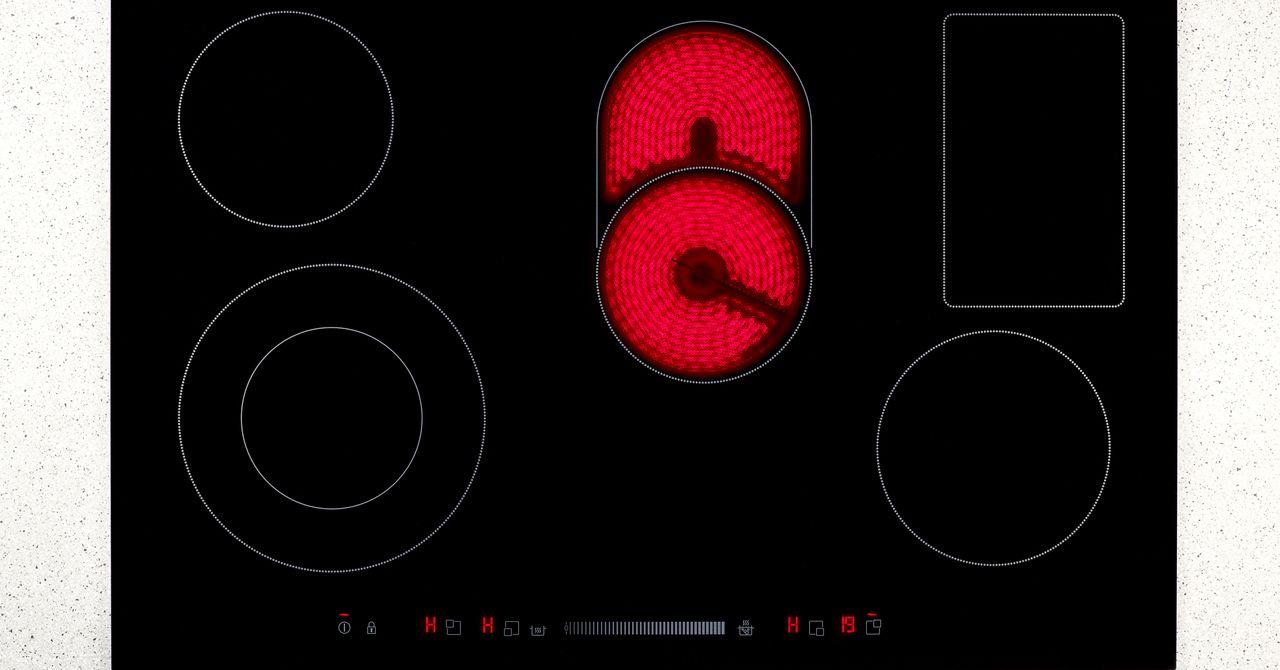
On electric cooktops, the heating element does all the work. When it starts to fail, you notice uneven heat distribution across the cooking surface. One side of a pan sits in intense heat while the other barely warms up. Sometimes the element glows brighter at one end than the other — a clear sign of internal damage.
Damaged elements cannot self-repair. Replacing them promptly prevents damage to the cooktop surface and the surrounding wiring. If you cook on an electric cooktop and notice inconsistent performance, the element is the first place to investigate.
Burner Igniters and Gas Cooktops
Gas cooktops rely on igniters to light the flame and maintain it consistently. A worn or dirty igniter causes delayed ignition, weak flames, or flames that fluctuate mid-cook. You might hear repeated clicking even after the flame catches — that signals an igniter that struggles to detect the flame properly.
Cleaning the igniter cap and the area around the burner head sometimes resolves minor issues. When buildup is severe or the igniter itself is cracked, a replacement becomes necessary. Ignoring this problem can lead to uneven cooking temperatures and, in some cases, gas buildup risks.
For professional stove repair that addresses igniter issues correctly, trained technicians use calibrated tools to test flame sensors and gas pressure before swapping parts.
Temperature Sensors and Thermostats
Temperature sensors regulate how much heat the cooktop delivers to a burner. A failing sensor sends incorrect readings to the control system. The cooktop then overcompensates — running too hot when you want low heat, or cutting out before the pan reaches the right temperature.
This problem shows up most clearly when simmering sauces or cooking delicate proteins. You set the dial to medium and the heat swings wildly. Many homeowners mistake this for a calibration issue and adjust the dial repeatedly. The real problem sits inside the sensor itself.
Replacing a faulty temperature sensor during an oven repair appointment often resolves related cooktop heat problems at the same time, since many ranges share sensor wiring between the two cooking zones.
Clogged Burner Ports on Gas Models
Burner ports are the small holes that release gas around the burner head. Grease, food residue, and boil-overs clog these ports over time. Blocked ports restrict gas flow, producing uneven flames that burn higher on one side than the other.
A visual inspection tells the story quickly. Look at the flame when the burner runs. A healthy flame burns blue and even all the way around. An orange, yellow, or lopsided flame points directly to clogged ports or a burner head that needs cleaning or replacement.
Regular cleaning prevents most port blockages. Use a pin or thin wire to clear individual holes, and soak removable burner caps in warm soapy water monthly. When deep buildup exists, professional cleaning ensures nothing gets forced further into the port channels.
Failing Control Boards
Modern cooktops use electronic control boards to manage power delivery to each burner zone. When the board develops a fault, it sends inconsistent voltage signals to the elements or igniters. The result is unpredictable heat — burners that work one day and fail the next, or zones that respond sluggishly to control changes.
Control board failures often come paired with error codes on digital displays, unresponsive touch controls, or multiple burners acting up at once. A single burner problem rarely points to the board. When two or more zones misbehave simultaneously, the board moves to the top of the suspect list.
Board replacements require careful matching to the cooktop model and brand. An incorrect board causes new failures immediately. Always use OEM or verified compatible parts when replacing control electronics.
When to Call a Professional
Some cooktop issues respond well to basic cleaning and minor adjustments. Others require tools, training, and replacement parts that only a qualified technician can source and install safely. Attempting complex repairs on gas appliances without proper training creates serious safety risks.
JAY Repair Services in St Albert handles all cooktop makes and models, from basic coil-element units to high-end induction ranges. Technicians arrive with the parts and diagnostic equipment needed to resolve inconsistent cooktop heat on the first visit in most cases.
If the cooktop connects to other kitchen appliances showing problems — such as a dishwasher repair need or a freezer repair issue — bundling appointments saves time and service fees.
Preventing Inconsistent Heat in the Future
Prevention costs far less than repairs. A few habits protect your cooktop and extend its working life significantly.
Clean burner caps and grates after every spill. Spills allowed to harden become blockages. Wipe element coils gently when cool and check for any visible damage monthly. Avoid sliding heavy pots across glass or ceramic cooktops, since surface cracks disrupt heat transfer from elements below.
Schedule a professional inspection every two to three years. A technician can spot worn sensors, loose wiring, and early element damage before they cause noticeable performance problems. Proactive maintenance prevents the inconsistent cooktop heat that disrupts daily cooking.
Visit appliancerepairstalbert.ca to book a service appointment or ask questions about your specific cooktop model.
Closing Thoughts
Inconsistent cooktop heat signals a real mechanical problem that only gets worse without attention. Whether the cause is a clogged burner port, a failing element, or a dying control board, the fix exists and the repair is worth making. JAY Repair Services in St Albert brings the diagnostic experience and parts inventory needed to restore consistent, reliable performance to your cooktop. Don’t let uneven heat compromise your cooking — act on the warning signs early and keep your kitchen running smoothly.
Frequently Asked Questions
Why does my electric cooktop heat unevenly on one burner? Uneven heat on a single electric burner typically points to a failing heating element. Part of the element loses conductivity, causing one area to run hotter than another. A technician can test element resistance and replace it quickly.
Can I fix a clogged gas burner port myself? Minor port clogs respond well to a pin or thin wire and warm soapy water on removable caps. Deep blockages or ports that remain clogged after cleaning need professional attention to avoid damaging the burner head or gas valve.
How do I know if my cooktop’s temperature sensor has failed? Watch for dramatic heat swings when the dial stays in one position. If simmering regularly turns into a rolling boil, or if the burner cuts out before food reaches temperature, the sensor likely sends incorrect readings to the control system.
Is inconsistent heat on my cooktop a safety risk? On gas cooktops, inconsistent heat paired with igniter problems can allow small amounts of gas to escape before ignition. This creates a minor safety concern. Address gas-related cooktop issues promptly and ventilate the kitchen if you smell gas before the flame catches.
How long does a cooktop repair typically take? Most cooktop repairs take between one and two hours on-site. Technicians carry common replacement parts for popular brands, which resolves the majority of jobs in a single visit. Specialty parts for older or imported models may require a follow-up appointment.