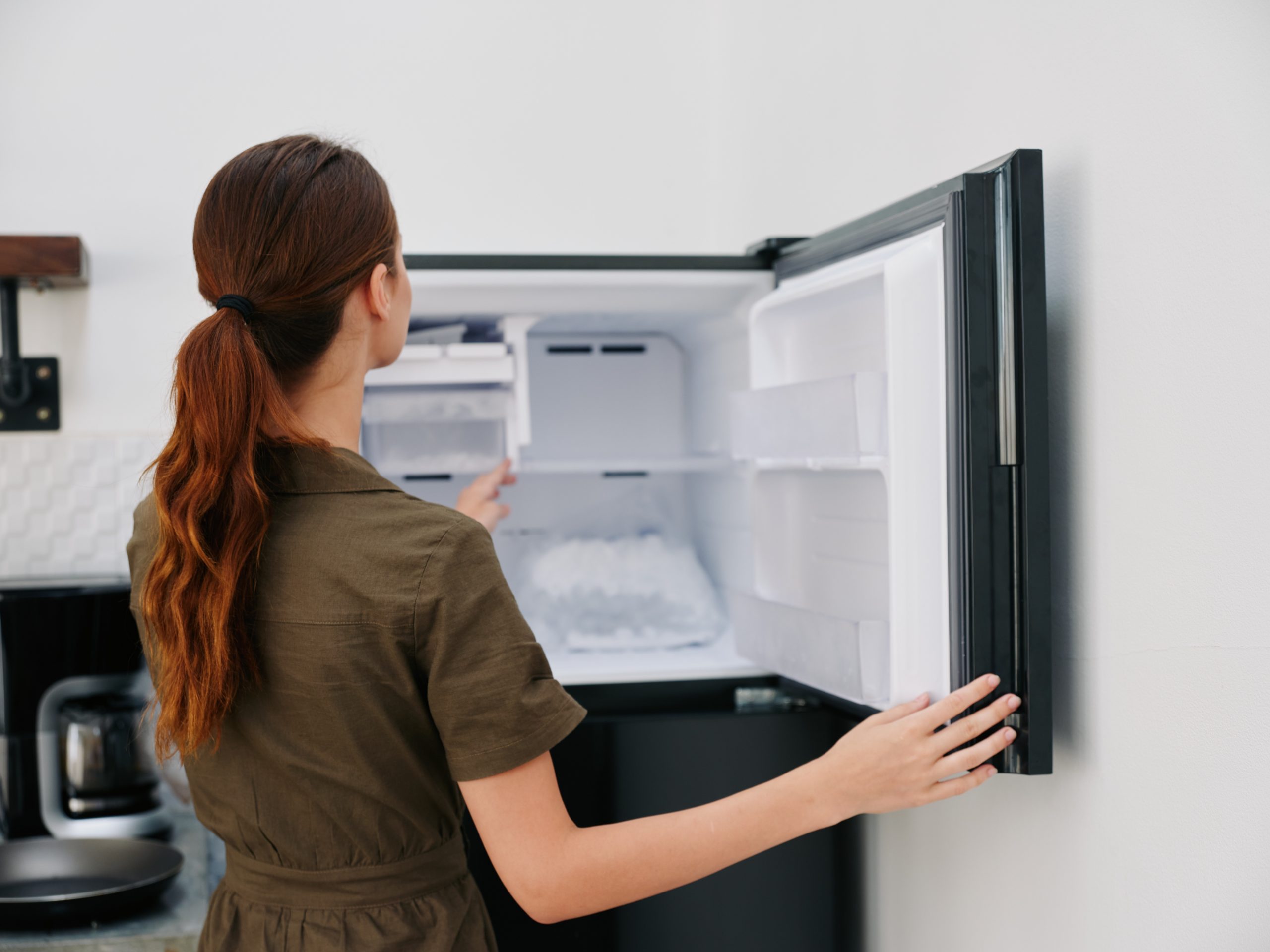
If your freezer feels cold but food keeps spoiling, you have a real problem worth investigating. JAY Repair Services in St Albert sees this issue regularly, and it confuses many homeowners. The freezer feels cold to the touch, ice stays frozen, yet meat goes bad, vegetables turn mushy, and leftovers smell off far too soon. The focus here is freezer not cold enough for food preservation — and the causes are more specific than most people realize.
Why “Cold Enough to Touch” Isn’t Cold Enough
A freezer must maintain 0°F (-18°C) or below to preserve food safely. Many freezers feel cold when you open the door but actually hover between 10°F and 20°F (-12°C to -6°C). That range feels cold to your hand. Your food, however, tells a different story. Bacteria remain active above 0°F. Enzymes break down texture and flavor. Frost forms unevenly. The result is spoiled food inside a freezer that seems to be working just fine.
This temperature gap is the most common explanation for the problem. Your freezer runs, it cools, but it doesn’t reach the target temperature consistently. The causes range from simple fixes to mechanical failures.
Dirty or Damaged Door Gaskets
The door gasket — the rubber seal around the freezer door — keeps warm air out and cold air in. Over time, gaskets crack, warp, or collect debris. When the seal fails, warm air sneaks in constantly. The freezer works harder but never catches up. Food near the door often spoils first.
Test your gasket with a piece of paper. Close the door on the paper and pull it out. If it slides easily, the seal is weak. Replacing a gasket is a straightforward repair that restores temperature consistency quickly.
Frost Buildup and Blocked Airflow
Modern freezers use a fan to circulate cold air throughout the unit. When frost builds up on the evaporator coils — usually at the back wall — airflow gets restricted. The coils freeze over completely in some cases. The freezer may run constantly but distribute cold air poorly. Certain areas stay warmer than others, and food stored in those zones spoils faster.
This problem often links to a faulty defrost heater, defrost timer, or defrost thermostat. When the automatic defrost cycle fails, frost accumulates beyond normal levels. A technician can diagnose which defrost component failed and replace it directly.
Faulty Evaporator Fan Motor
The evaporator fan pulls air across the cold coils and pushes it through the freezer. If the motor weakens or fails, circulation drops significantly. The coils get cold. The air around your food does not. You might hear less noise from the freezer than usual, or notice that one section stays warmer than another.
This is a repair that requires accessing internal components. JAY Repair Services in St Albert handles this type of job efficiently, restoring proper airflow and stable temperatures.
Thermostat or Temperature Control Problems
A faulty thermostat sends incorrect readings to the compressor. The compressor shuts off too early, before the freezer reaches 0°F. The temperature climbs slowly, sits in the danger zone for hours, then drops again when the compressor restarts. This cycle keeps the freezer feeling reasonably cold while food degrades steadily.
Replacing a thermostat is a precise job. The wrong part or a poor installation creates the same problem again. Using a qualified technician protects your appliance and your food supply.
Overpacking the Freezer
Sometimes the issue is simpler than mechanical failure. An overpacked freezer blocks the vents that distribute cold air. Items pushed against the back wall or stacked too tightly prevent airflow from reaching every section. Food stored in blocked areas never gets cold enough, even when the freezer runs correctly.
Organize your freezer with space between items and away from air vents. This small change sometimes solves the problem entirely.
Condenser Coils That Need Cleaning
Condenser coils release heat from the refrigerant outside the freezer cabinet. Dust and pet hair accumulate on these coils over time. When coils get dirty, the system struggles to release heat. The compressor overworks. Efficiency drops. The freezer cools less effectively than it should.
Cleaning condenser coils every six to twelve months keeps the system running at full capacity. The coils sit underneath or behind the unit depending on the model.
When to Call a Technician
Some of these problems are easy to identify and fix yourself. Others require tools, parts knowledge, and experience with refrigeration systems. If you’ve checked the gasket, cleared frost buildup, and reorganized the contents without improvement, the problem likely sits inside the mechanical system.
Freezer repair in St Albert covers diagnostics, parts sourcing, and complete repairs for all major freezer brands. Getting a professional assessment quickly prevents further food loss and protects the appliance itself.
Protecting Your Other Appliances Too
Temperature regulation problems aren’t unique to freezers. A malfunctioning stove repair or faulty oven repair can cause similar frustration — appliances that appear to work but deliver inconsistent results. The same logic applies: when performance doesn’t match expectation, a specific component has usually failed. Identifying it early saves money.
Dishwasher repair issues often follow the same pattern too. Something runs but doesn’t perform. Professional diagnosis cuts through the guesswork.
What You Should Do Right Now
Start by checking the temperature with a thermometer. Place it in the center of the freezer for several hours. If the reading sits above 0°F (-18°C), you have confirmed the problem. Check the door seal next. Look for frost buildup on the back wall. Listen for the fan. These observations give a technician useful information before they arrive.
Visit appliancerepairstalbert.ca to learn more about available services and book a repair appointment. JAY Repair Services in St Albert provides fast, reliable service for homeowners dealing with exactly this kind of problem. A freezer not cold enough for food preservation is fixable — and getting it fixed promptly saves both food and money.
Frequently Asked Questions
Why does my freezer feel cold but my food still goes bad? Your freezer may be running above 0°F (-18°C). It feels cold to touch but stays in a temperature range where bacteria remain active and food degrades. A thermometer test confirms whether the temperature is actually safe.
What temperature should a freezer hold to prevent food spoilage? A freezer must stay at or below 0°F (-18°C) to preserve food safely. Temperatures between 10°F and 20°F feel cold but allow spoilage over time.
Can a bad door seal cause food to spoil in a freezer? Yes. A cracked or loose gasket lets warm air enter continuously. The freezer struggles to compensate, and temperatures fluctuate in ways that damage food quality.
How do I know if frost buildup is causing my freezer problem? Check the back interior wall of your freezer. Excessive frost or a solid sheet of ice on the coils indicates a defrost system failure. This restricts airflow and reduces cooling performance throughout the unit.
Is it worth repairing a freezer that isn’t keeping food cold? In most cases, yes. The repair cost for common causes — gaskets, defrost components, fan motors, or thermostats — is significantly less than replacing the unit. A technician can assess whether repair or replacement makes more sense for your specific situation.