At JAY Appliance Repair St. Albert, appliance water leaks are among the most urgent calls we handle, because water does its damage quietly and quickly. A slow drip behind a dishwasher or under a washer can warp a floor and feed mould long before anyone notices a puddle. The good news is that most leaks come from a short list of causes. This guide helps St. Albert homeowners find the source, act safely and know when to call.
Why Appliance Water Leaks Need Fast Action
Water is deceptively destructive. A leak that looks minor can travel under flooring, soak into subfloor and cabinetry, and create the damp conditions mould loves. By the time a stain appears, the damage is often well underway.
That is why we treat even a small leak as a priority. Stopping the water early is far cheaper than repairing warped floors or treating mould later. A quick response turns a potential disaster into a simple repair.
The appliances that leak most
Three appliances account for most household leaks. Dishwashers and washing machines handle large volumes of water under pressure, and refrigerators with ice makers or water lines add another source. Knowing this narrows the search fast.
Common Causes of Appliance Water Leaks
Most leaks trace back to a handful of worn or failed parts. Identifying the likely cause helps you describe the problem and helps us arrive with the right components.
- A cracked or perished door gasket on a washer or dishwasher.
- A split or loose fill or drain hose behind the unit.
- A blocked drain forcing water back out of the appliance.
- A failed water inlet valve that will not seal fully.
- A cracked tub or sump inside the appliance.
Some leaks stem from parts that have been recalled for defects, so it is worth checking the Government of Canada list of product safety recalls and alerts for your model. A known hose or valve defect is both a safety matter and a clear cause.
Tracing the Leak to Its Source
Finding exactly where water appears is half the battle. The timing of a leak is a strong clue. Water at the start of a cycle usually points to the fill side, while water at the end points to drainage.
Dry everything thoroughly first, then run the appliance and watch closely. If a dishwasher leaks onto the floor, note whether it happens during fill, wash or drain. The same careful observation helps with a washer that leaves water on the floor.
| Leak timing | Likely source | What we check |
|---|---|---|
| During fill | Inlet valve or supply hose | Valve seal, hose connections |
| During wash | Door seal or tub crack | Gasket, tub, spray seals |
| During drain | Drain hose or pump | Hose, pump housing, clamps |
| Constant puddle | Fridge line or defrost drain | Water line, drain pan, blockage |
Safe Steps Before We Arrive
You can limit damage without taking any risks. The goal is to stop the water and protect the area, not to attempt a repair. A few safe actions make a real difference.
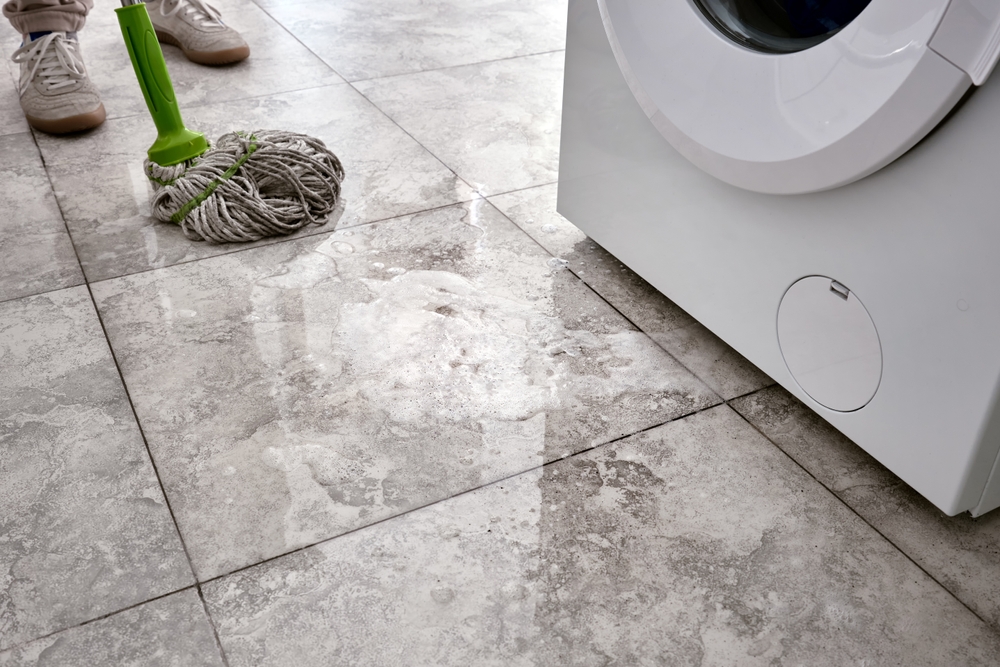
Turn off the water supply valve to the appliance and unplug it where you can reach the cord safely. Mop up standing water and place towels to catch any more. Avoid pulling the appliance apart, since dismantling it can worsen the leak and expose you to electrical risk near water.
When Appliance Water Leaks Need a Technician
Some leaks are beyond a hose tighten. A failed inlet valve, a cracked tub or a blocked internal drain all require proper diagnosis and parts. Guessing here often means replacing the wrong component while the leak continues.
Our technicians trace the leak to its true source, replace the failed part and test the appliance to confirm it is watertight. We give an honest quote after assessment, so you know the plan first. You can see every appliance we service on our repair services page.
Preventing Future Leaks
A little attention prevents many leaks before they start. Inspect hoses for bulges or cracks a couple of times a year, and replace any that look tired. Keep door seals clean so they stay soft and seal fully.
Simple habits help too. Do not overload a washer, since an unbalanced load can stress seals and hoses. Clear the dishwasher filter regularly so water drains freely. These small steps keep appliance water leaks rare and your floors dry.
Where Hidden Leaks Like to Travel
One reason appliance water leaks cause so much damage is that water rarely stays where it starts. It follows the path of least resistance, running along floor joints, under cabinets and into the subfloor. By the time it surfaces as a visible stain, it may have travelled some distance from the real source.
This is why a damp patch on the floor is not always directly below the leaking part. A dishwasher leak can appear at the edge of the kitchen, and a fridge water-line drip can pool several feet away. Chasing the puddle alone often misleads.
A proper diagnosis follows the water back to its origin rather than treating the symptom. Our technicians check the full path, from the failed part to where the water appears, so the repair fully and permanently addresses the actual cause. That is the clear difference between a leak that is truly fixed and one that returns a week later in a slightly different spot. It is also why a quick mop-up is never a substitute for finding the source.
Protecting Floors and Cabinets
While the appliance itself is the priority, the area around it deserves thought too. Placing a simple drip tray under a washer or dishwasher can catch a slow leak before it reaches the floor. A water-leak alarm near these appliances gives early warning of trouble.
These small measures are especially worthwhile in finished basements or over hardwood, where water damage is costly. They do not replace a repair, but they buy time and limit the harm while you arrange one. Pairing good appliance care with a little leak protection keeps a small fault from becoming a major restoration job.
Frequently Asked Questions
What are the most common sources of appliance water leaks?
Dishwashers, washing machines and refrigerators cause most of them. Worn door seals, cracked hoses, blocked drains and failed inlet valves are the usual culprits. Tracing appliance water leaks to the exact source is the key to a lasting fix.
Is a small appliance leak really worth fixing right away?
Yes. A small, steady leak causes more damage over time than a single big spill, because it works unseen under and behind the unit. Water warps floors and feeds mould, so early action on appliance water leaks protects your home.
Can I stop a leak myself before the technician arrives?
You can limit the damage safely. Turn off the water supply to the appliance, unplug it, and mop up standing water. Avoid dismantling the unit, since that risks both injury and a worse leak once reassembled.
How do I tell which appliance is leaking?
Dry the area completely, then watch where water first reappears and during which cycle. A leak at fill points to the inlet, one at drain to the hose or pump. These clues help pinpoint appliance water leaks quickly.
Call JAY Appliance Repair St. Albert
If appliance water leaks are threatening your floors, JAY Appliance Repair St. Albert can help fast. Call (780) 782-9600 or email jayappliance2020@gmail.com, Monday to Sunday from 8am to 8pm. We serve St. Albert and the surrounding communities and give an honest quote after assessment.