
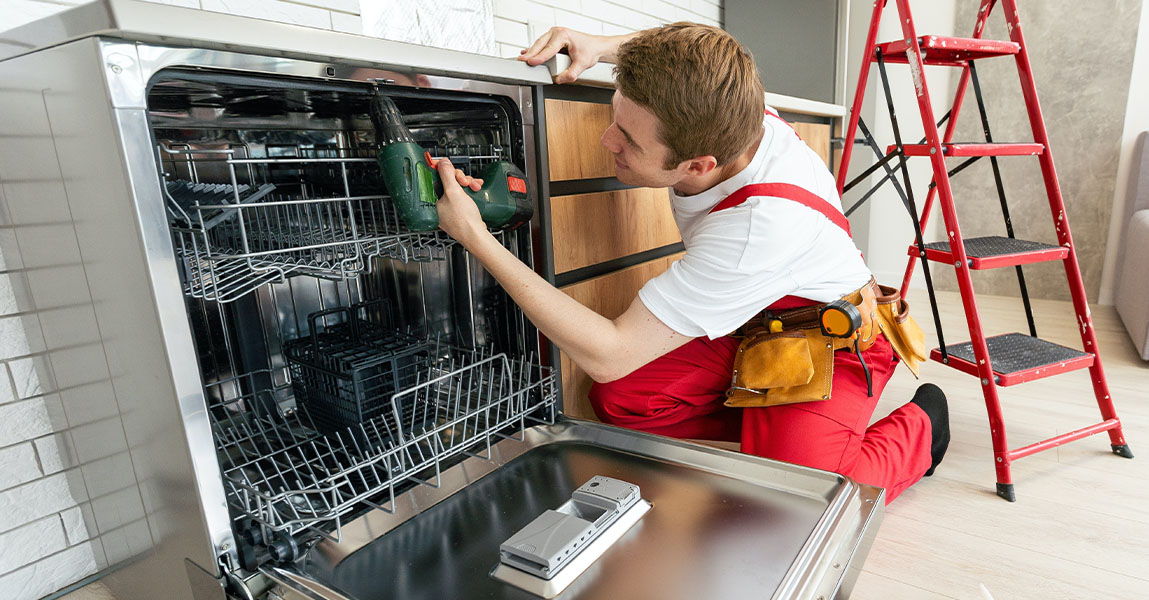
When a dishwasher stops filling with water, the disruption is more than a minor inconvenience. It disrupts the entire cleaning cycle, and more importantly, signals a possible mechanical or electrical fault. Most importantly, the water inlet valve is often the first place we check in these situations. This component is crucial because it controls the flow of water into the appliance at the start of each wash cycle.
The valve opens when it receives the proper electrical signal, letting in enough water to clean your dishes effectively. However, a faulty valve can stay shut, leaving your dishwasher dry and useless. Therefore, it’s essential to determine whether the issue lies with the valve itself or the power supply triggering it.
Signs Your Dishwasher Inlet Valve Might Be Faulty
The first sign of a faulty valve is an empty bottom at the start of a cycle. In other words, the machine hums or clicks but no water appears. You might also hear a buzzing sound without any follow-up action. Secondly, if the dishes come out dirty or the soap remains undissolved, this might indicate inadequate water flow.
We often inspect the valve by removing the lower access panel to check for visible signs like corrosion, mineral buildup, or cracks. Meanwhile, we also confirm that the wiring harness is attached securely, and that the solenoid is not burnt out. If needed, testing it with a multimeter can clarify whether the component is receiving power or has failed internally.
Electrical or Pressure-Related Complications
Water inlet valves depend on both water pressure and electrical input. A drop in household water pressure can prevent the valve from opening, which might make it seem like the dishwasher is faulty. However, the real problem could be with your home’s plumbing. On the other hand, a blown fuse or tripped breaker might disrupt the electrical flow and prevent the dishwasher from functioning properly.
To clarify the source, we first test the wall outlet or hardwired connection to ensure it delivers consistent voltage. Subsequently, we examine the dishwasher’s float switch, which can get stuck in the “up” position and falsely signal that the machine is full. This will keep the valve closed even if the tub is dry.
Simple Tests You Can Perform Before Calling for Help
Before reaching out for professional assistance, there are a few quick inspections you can safely try. Firstly, turn off the power and water supply to the dishwasher. Then, remove the bottom front panel and locate the valve. Check for visible damage, and gently clean off any sediment from the valve’s filter screen.
Secondly, check that the water supply hose is not kinked or crushed behind the dishwasher. Often, shifting the appliance or rearranging cabinetry can pinch the hose, limiting water access. Additionally, ensure the valve is not clogged by debris, which can be a common problem if your home has hard water.
We often reference general appliance repair St. Albert troubleshooting guides when explaining these tests, especially for homeowners curious about how things work internally.
Replacement vs. Repair: When to Swap the Valve
If testing confirms the water inlet valve is defective, replacing it is typically the most efficient solution. Most valves are not repairable due to their sealed solenoid and limited access to internal parts. Consequently, even if the screen appears clean, electrical failure inside the coil will still prevent proper operation.
Furthermore, using a faulty valve can lead to more problems. For instance, the dishwasher may overheat, burn out other components, or trigger error codes. Therefore, timely replacement avoids bigger complications and saves both time and frustration.
When we handle dishwasher repair, especially those in older models, we often see a combination of wiring wear and corrosion leading to valve malfunction. In these cases, the best long-term solution is a full part replacement, ensuring safety and reliability going forward. You’ll find more specific diagnostics covered under dishwasher repair in St. Albert, where common symptoms and fixes are explored in greater detail.
Other Potential Causes for a Dry Dishwasher
While the inlet valve is a frequent culprit, it isn’t always the cause. The door latch mechanism can also block function if the appliance believes it’s not properly closed. Similarly, a faulty control board might fail to send voltage to the valve, mimicking the signs of a hardware failure.
Our team investigates these possibilities by checking control signals with a multimeter and observing how the dishwasher behaves during each cycle stage. Moreover, if the float switch has failed or jammed, it can trick the machine into thinking it’s already full, thus keeping the valve closed.
In certain cases, sediment buildup in the filter housing or spray arms can also affect water movement. Therefore, we examine every pathway where water should be flowing to make sure nothing is blocked or restricted internally.
Safety Considerations When Handling Electrical Parts
Any inspection or repair involving the valve requires careful attention to safety. Firstly, always disconnect power at the breaker to avoid electrical shock. Secondly, water supply lines should be turned off at the shutoff valve to prevent leakage or flooding.
When handling the valve, we wear gloves and use insulated tools. That is to say, water and electricity together present hazards, and caution is essential even for experienced technicians. If any doubt exists, especially when wiring is involved, it’s better to leave the task to a trained appliance technician.
We provide guidance about these safety protocols during a contact with dishwasher experts phase, especially for homeowners unsure about diving into repairs on their own.
Importance of Routine Maintenance
Over time, hard water can clog screens and valves, and detergent residue can build up inside the dishwasher’s components. Therefore, routine cleaning of the filter, drain, and spray arms is essential. In addition, running a vinegar rinse cycle once a month can reduce internal mineral accumulation.
We also recommend inspecting hoses and valves annually. For instance, spotting corrosion early can help prevent complete valve failure. Similarly, checking water pressure and household plumbing flow can highlight wider issues affecting appliance performance.
Most importantly, staying proactive means fewer surprise malfunctions, and ultimately extends the life of your dishwasher.
When to Call a Technician
If cleaning the screen, adjusting the float, and confirming water flow hasn’t resolved the issue, it’s time to get professional assistance. A certified technician can perform multimeter tests, replace parts safely, and verify that all functions work as intended. Additionally, they’ll ensure the installation is leak-free and compliant with manufacturer specs.
JAY Appliance Repair is familiar with these common failures and has the experience to resolve them promptly. In our daily service calls, we often find homeowners attempting multiple DIY fixes before finally seeking help. Above all, accurate diagnostics from the start save time, avoid guesswork, and get your kitchen routine back on track.
Final Thoughts
In conclusion, a dishwasher that won’t fill with water can be frustrating, but the solution is often mechanical and straightforward. From a blocked screen to a failed solenoid or jammed float switch, each part plays a role in water delivery. By carefully inspecting and isolating the cause, we can determine the best path forward. Our team prioritizes safety and reliable diagnostics at every stage of the repair process.
For trusted help with your dishwasher issues, including detailed assessments and fast solutions, rely on dishwasher repair in St. Albert. To learn more about appliance services in your area, start with appliance repair St. Albert. If you have questions or need to schedule an inspection, use the contact appliance technician form to get in touch.
We take pride in delivering timely, accurate appliance care. For that reason, JAY Appliance Repair stands behind every repair with expertise and dependable service.
FAQs
What does the water inlet valve do in a dishwasher?
The water inlet valve controls how much water enters your dishwasher. It opens when receiving an electrical signal, allowing water to flow in for washing cycles.
Can low water pressure affect my dishwasher’s operation?
Yes, if household water pressure is too low, the inlet valve might not open properly, preventing your dishwasher from filling as it should.
How can I tell if the valve is clogged or defective?
A clogged valve may show mineral buildup around the screen. A defective valve won’t open even when power is applied and may need replacement.
Why is my dishwasher running but not filling?
This could be due to a stuck float switch, clogged inlet screen, electrical issue, or a failed valve. All these factors can prevent water entry.
Is it safe to replace the water inlet valve myself?
If you’re comfortable shutting off power and water, it can be done with basic tools. However, working around wiring and valves does pose risks, so professional help is often safer.