Recognizing the Click Without the Flame
When you turn on your gas stove and hear a clicking sound but see no flame, it can feel frustrating. In other words, the stove sounds like it’s trying to work but never fully gets there. That clicking is usually the igniter attempting to produce a spark, which should light the gas. However, if nothing catches, your ignition system might be to blame.
Firstly, it’s essential to ensure gas is indeed flowing to the burner. If you smell no gas at all, this might point to a supply issue instead. Secondly, if the gas is present and you still hear clicking with no ignition, the switch that controls the spark could be faulty. Our team has dealt with countless cases where ignition switches failed after extended use.
What the Ignition Switch Actually Does
Many homeowners don’t realize that the ignition switch plays a central role in the ignition process. The igniter you see beneath the burner cap is controlled by a small switch connected to the control knob. When that knob is turned, the switch tells the igniter to send a spark. Therefore, if the switch is defective or stuck, the spark either won’t occur or will misfire.
In addition, the ignition switch can wear down from repeated use or exposure to moisture and grease. These elements slowly damage internal contacts. That is to say, even if the knob clicks audibly, the actual switch might not be sending power where it should. We’ve replaced many switches in homes where grease buildup caused internal failure.
Cleaning Can Solve Some Ignition Issues
Before assuming the worst, it helps to give the stove a proper cleaning. Grime and grease can block the spark’s path or disrupt gas flow. Therefore, lifting the burner caps and gently scrubbing both the igniter and surrounding parts may help restore functionality. It’s especially important to avoid using too much water when cleaning around electrical components.
To clarify, when cleaning, avoid pushing debris deeper into the burner. A soft brush and a bit of isopropyl alcohol often help remove grime safely. For instance, if your stove lights intermittently, debris or residue could be causing an unreliable connection. We always recommend checking these areas before ordering replacement parts.
Diagnosing the Ignition Switch Directly
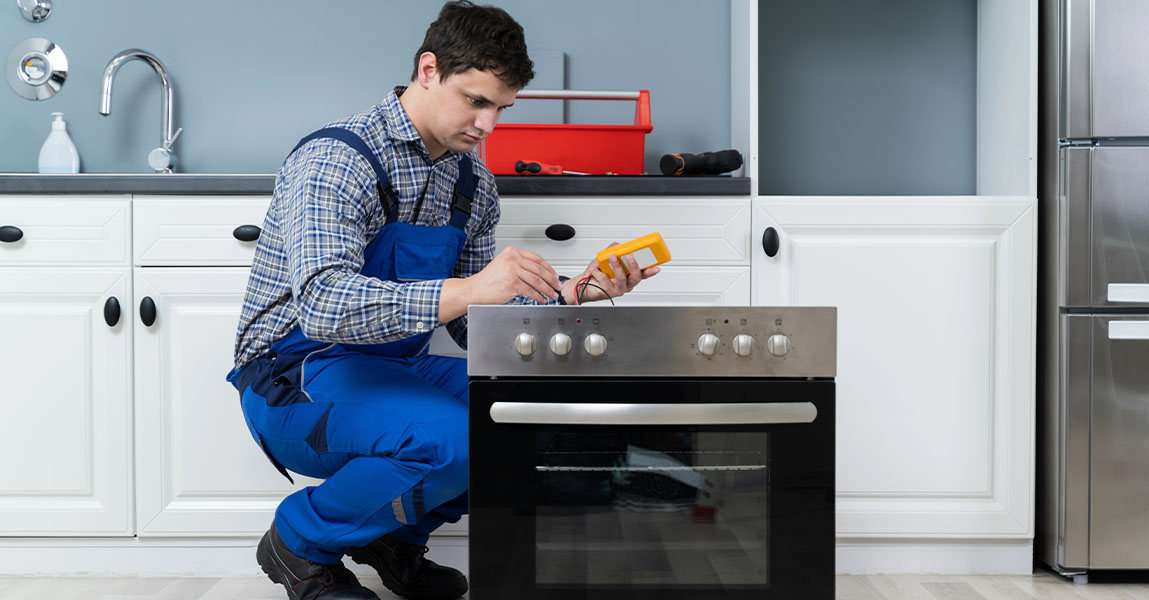
If cleaning doesn’t help and the stove still won’t light, the next step is testing the ignition switch. This requires removing the stove top and using a multimeter to test continuity through the switch when the knob is turned. That is to say, if the multimeter shows no circuit response, the switch isn’t doing its job.
Moreover, this test should only be done when the stove is unplugged. Gas appliances can be dangerous to disassemble while powered or pressurized. For example, if you’re unfamiliar with electrical testing, a licensed technician should be the one to confirm whether the switch is faulty. We often see broken switches that show no signs of external wear.
When Replacement Becomes Necessary
In some cases, there’s no salvaging a damaged switch. If the plastic housing is melted or contacts are corroded, replacing it is the safest move. Consequently, continuing to use a partially functioning switch can lead to delayed ignitions or even unlit gas accumulating on the stove. This scenario poses a fire risk.
Sometimes, it makes more sense to replace multiple ignition switches at once. Similarly, when one fails, others may not be far behind. Our team has handled replacements across different stove brands and models, and we often find hidden wear in other switches during service. For repairs like this, we always recommend working with experienced appliance professionals.
Verifying the Spark Module Is Still Working
Though the switch is a likely cause, it’s also possible the spark module itself is the root of the issue. This component receives the signal from the ignition switch and sends voltage to the igniters. If none of the burners spark at all, the module might be to blame. In addition, some stoves use a shared module for all burners.
To clarify, if the igniters aren’t clicking at all when any burner is turned, and the power supply is fine, then the spark module should be tested next. Sometimes these modules fail silently, while other times they make weak or inconsistent sparks. We’ve encountered units where the sound was present but no visible spark occurred.
Checking the Wiring and Grounding
Even if the ignition switch and spark module are in good shape, faulty wiring can prevent a complete circuit. For instance, if a wire has become disconnected or damaged by heat, the voltage won’t reach the igniter. Therefore, checking all wires for damage and verifying they are securely connected is another key step.
Additionally, improper grounding can stop the igniter from firing correctly. If the stove was recently moved or serviced, a wire might have loosened or been misrouted. Our technicians always inspect wiring and grounding points when troubleshooting persistent ignition issues, especially if other parts appear undamaged.
Ensuring the Gas Supply is Stable
Sometimes the ignition system is fine, but low gas pressure prevents ignition. This is less common but still worth considering. Therefore, if your burners spark normally but never light, it’s important to ensure the gas valves are open and unobstructed. Similarly, gas regulators on the appliance or main line might need inspection.
Moreover, recent renovations or appliance replacements can accidentally affect gas line flow. If the problem started after such changes, our team always checks for potential gas pressure irregularities. Ensuring consistent and adequate flow is just as important as a working igniter in getting the burner lit.
Knowing When to Call a Professional
While some ignition problems can be fixed with basic cleaning or part replacement, others require deeper knowledge. For example, if wiring, voltage output, or gas line irregularities are involved, diagnosing the issue without professional help becomes much harder. In these cases, it’s safer to get a trained eye on the issue.
When we inspect a stove that clicks but won’t light, our team always follows a complete checklist. This includes spark verification, switch testing, module diagnostics, gas flow checks, and wiring inspections. In the St. Albert area, many homeowners rely on gas stove repair services to resolve ignition failures quickly and safely.
Preventing Future Ignition Issues
Once the issue is resolved, it helps to maintain the stove to prevent recurrence. That is to say, regular cleaning, avoiding moisture buildup, and ensuring burner caps are seated properly can extend the life of ignition components. We’ve found that routine wipe-downs and avoiding spills over the knobs make a big difference.
Furthermore, never force the knobs if they stick. Doing so can damage the ignition switch or misalign components. Instead, regular care and observation go a long way in avoiding surprise ignition issues. Our experience shows that proactive maintenance often costs far less than emergency replacements down the road.
Reliable Stove Repair in Your Area
If your gas stove keeps clicking but refuses to light, our team can help with a precise and safe diagnosis. We’ve worked on a wide range of models and seen how small ignition issues can grow into larger concerns. That’s why a quick inspection is often worth your time.
We’ve helped countless homeowners resolve these frustrating problems with efficiency and care. If you’re looking for dependable appliance repair in St. Albert, this is where to begin. Whether it’s the switch, the module, or something hidden deeper, we have the tools and experience to handle it.
When the issue is narrowed down and ready for a hands-on fix, we make sure everything is safely addressed. For follow-up questions or direct assistance, contact a local repair team that prioritizes safe, complete solutions for every home.
At the end of the day, JAY Appliance Repair is here when you need reliable repairs done right.
FAQs
Why does my gas stove keep clicking after I release the knob?
This often means the ignition switch is stuck in the “on” position. Moisture, grease, or internal wear can cause the switch to stay active, even after the knob returns to its resting point.
Can I replace a faulty ignition switch on my own?
In most cases, it’s possible with the right tools and safety steps. However, improper handling of gas appliances can be hazardous, so professional replacement is recommended for safety.
Is a broken igniter the same as a faulty ignition switch?
No, the igniter and ignition switch are separate components. The switch sends a signal to the igniter to produce a spark, while the igniter creates that spark. Both must work correctly for ignition to occur.
Why does only one burner click but not light while others work?
That specific ignition switch may be faulty or the burner’s igniter may be dirty or misaligned. Targeted cleaning or switch replacement usually resolves this.
What should I do if none of the burners spark at all?
If all burners are silent, the issue might be with the spark module or power supply. Check the power connection first, then consider professional diagnosis for internal component failure.