It feels frustrating when we walk into the laundry room expecting a finished load, only to find the tub full of soapy water. When a washer stops right before the rinse cycle begins, it disrupts the entire flow of our day. We rely on our appliances to work from start to finish without needing a manual intervention. At JAY Appliances, we understand how important it is to keep your household running smoothly. Dealing with a machine that quits halfway through a job is more than a minor annoyance; it can signal deeper mechanical or electrical issues that require a professional eye.
Understanding the Drainage System
One of the most common reasons a machine halts before rinsing involves the drainage process. For a washer to start the rinse cycle, it must first successfully drain the dirty wash water. If the sensor detects that water remains in the drum, the control board will not signal the next step. We often find that a clogged drain hose or a failing pump prevents the water from leaving the tub. When this happens, the timer simply stops. If you find yourself stuck with a basin full of water, you might need expert washer repair St. Albert services to clear the line or replace a faulty component.
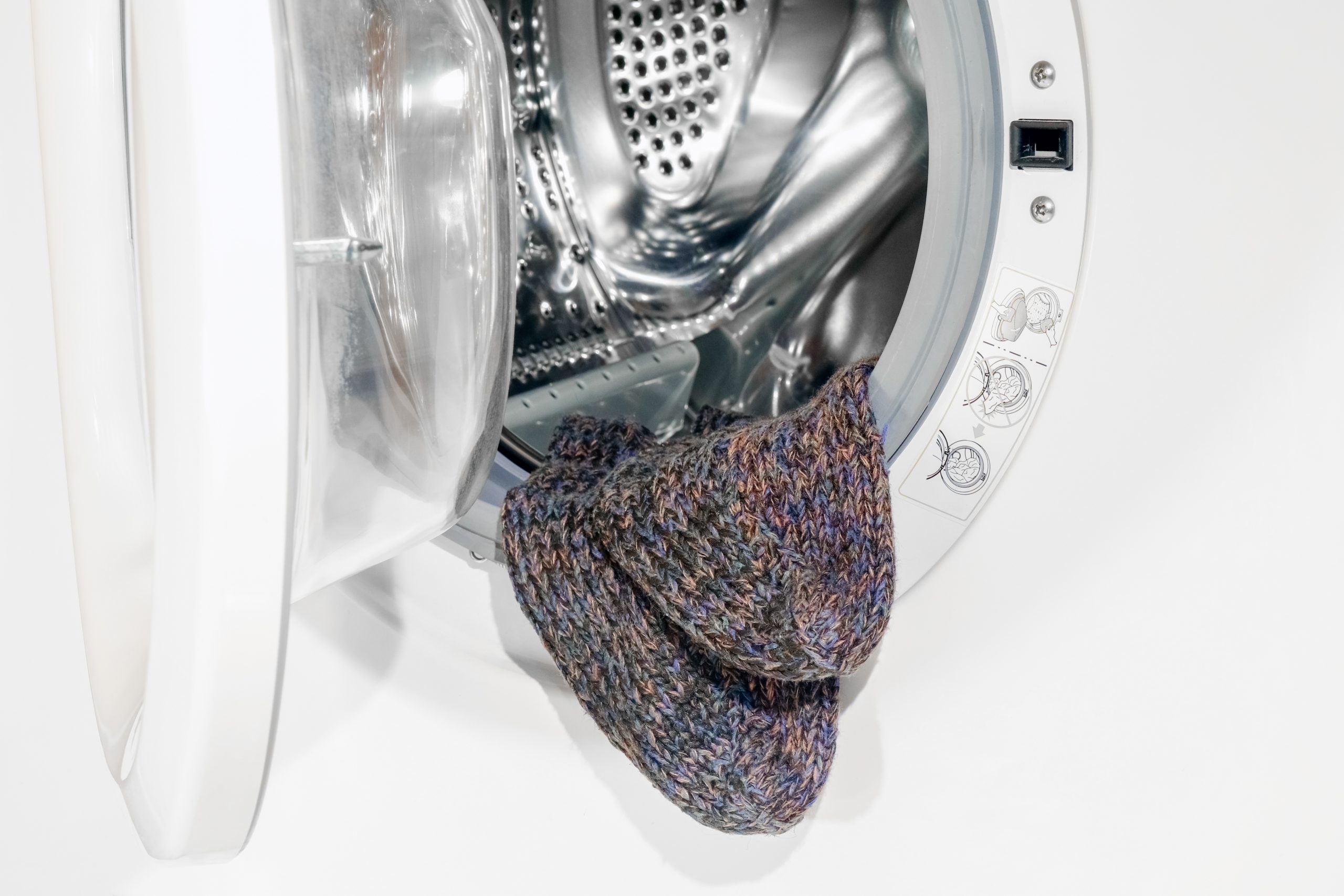
Our team frequently sees small items like coins, socks, or hairpins lodged in the pump filter. These tiny objects create a massive headache by blocking the impeller. Without the ability to move water out, the machine enters a “fail-safe” mode. We recommend checking your pockets before every load to prevent these blockages. However, if the pump itself has suffered an electrical failure, the machine will consistently stop at the exact same moment every time.
The Role of the Lid Switch and Door Lock
Safety features are built into every modern appliance to protect us and our homes. The lid switch or door lock assembly is a critical component in this safety chain. If the machine cannot verify that the door is securely shut and locked, it will refuse to enter the high-speed movements required for rinsing and spinning. Over time, these switches can wear out or become misaligned.
When we inspect machines that stall before the rinse, we often look at the strike plate and the locking mechanism. If the connection is loose, the machine might start the wash but fail to continue when it reaches the transition point. This is a common safety protocol designed to prevent water from splashing out or to stop the drum from spinning while the door is open. If your machine refuses to click into the next phase, our technicians at JAY Appliances can quickly diagnose whether the switch needs a simple adjustment or a full replacement.
Issues with the Water Inlet Valve
While the drain system gets the water out, the water inlet valve is responsible for bringing fresh water in for the rinse. If the machine successfully drains but then sits silent, it might be waiting for water that never arrives. The rinse cycle requires a fresh influx of cold water. If the cold-water side of the inlet valve is clogged with sediment or has an electrical fault, the cycle cannot proceed.
In many homes, hard water deposits build up inside the small screens of the inlet valve. This restricts flow and eventually stops it entirely. We suggest checking your hoses for kinks as well, as a pinched line can mimic a broken valve. If your other appliances are also acting up, such as needing dishwasher repair St. Albert, it could be a sign of wider plumbing or sediment issues in your home.
Shifting Focus to the Control Board
The “brain” of your washer is the electronic control board or the mechanical timer. This component tells every other part when to turn on and off. If the board has a “dead spot” or a burnt-out relay right at the transition to the rinse cycle, the machine will simply stop. This is often the hardest issue for a homeowner to diagnose because there are no visible moving parts to inspect.
Our professional technicians use specialized tools to test the continuity and signals coming from the board. Sometimes, a simple reset by unplugging the unit for ten minutes can clear a temporary glitch. However, if the problem persists, it usually indicates that the internal programming or circuitry has failed. We take pride in providing reliable appliance repair St. Albert to ensure your laundry stays on track and your machine returns to its peak performance.
Handling Imbalanced Loads
Sometimes the fix is much simpler than a broken part. Modern washers are equipped with sensors that detect if a load is off-balance. If we wash a single heavy rug or a large comforter, the machine might struggle to distribute the weight. If the sensors detect a significant wobble during the transition to a spin or rinse, the machine will stop to prevent damaging the outer tub or the suspension rods.
We always advise our customers to balance their loads by adding a few similar items. For example, if you are washing one heavy towel, add another to balance the drum. If your machine continues to stop even with small, balanced loads, the suspension springs or dampening straps might be worn out. When the physical support system fails, the machine becomes hyper-sensitive to any movement, causing it to shut down prematurely.
Professional Solutions with JAY Appliances
Attempting to take apart a washing machine without the right tools can lead to more expensive repairs down the road. At JAY Appliances, we bring the expertise needed to identify the root cause quickly. Whether it is a faulty sensor, a clogged pump, or a failing motor, our goal is to get your chores back on schedule. We also provide comprehensive maintenance for all your household needs, including stove repair St. Albert and freezer repair St. Albert, ensuring every corner of your kitchen and laundry room is in top shape.
Don’t let a pile of wet laundry sit and sour. If your washer refuses to finish its job, give us a call. We will examine the drainage, check the electrical components, and ensure your machine is ready for many more years of service.
Frequently Asked Questions
Why is there still water in my washer when it stops? This usually indicates a problem with the drain pump or a clog in the drain hose. If the water cannot leave the machine, the cycle will not advance to the rinse stage.
Can a faulty lid switch stop the rinse cycle? Yes, the lid switch is a safety device. If the machine thinks the lid is open, it will stop the motor from spinning or advancing the cycle to ensure the user’s safety.
How do I know if my water inlet valve is broken? If you hear a humming noise but no water enters the tub during the rinse phase, the valve may be stuck or clogged with debris.
Is it worth repairing an older washer that keeps stopping? In many cases, yes. Small repairs like replacing a belt, a pump, or a switch are much more affordable than buying a brand-new unit. Our team can help you decide based on the overall condition of the machine.
What should I do if my washer stops and flashes an error code? Check your user manual for the specific code. These codes often point directly to the failing part, such as a “long drain” error or a “water heating” error, which helps us speed up the repair process.