
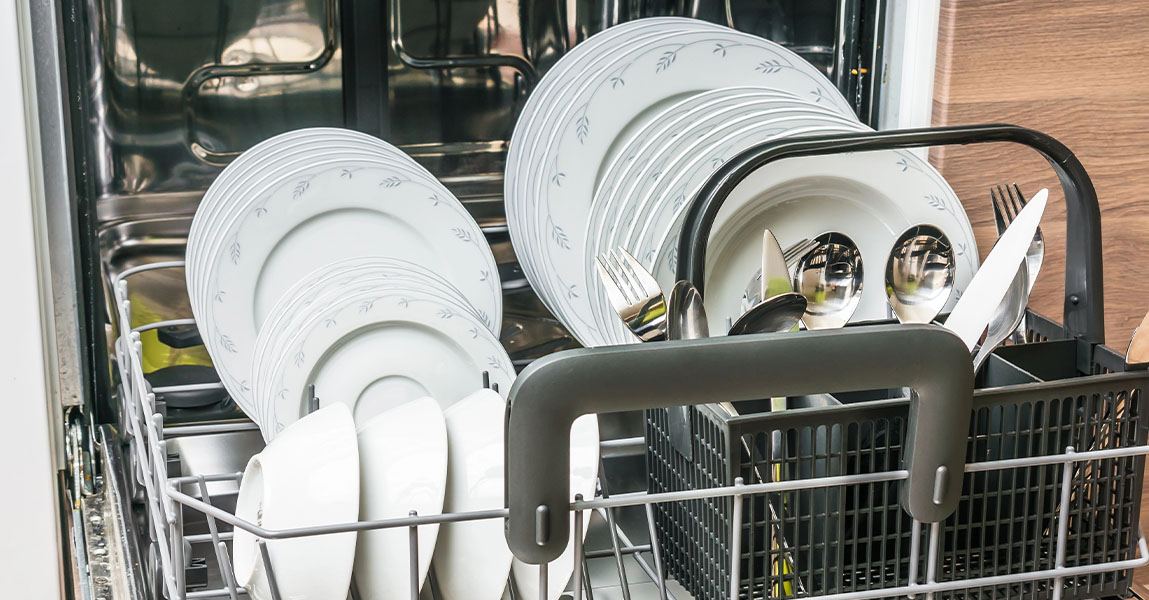
Dishwashers are meant to save time and make cleaning easier, so it can be frustrating when dishes come out with a white, chalky film instead of a spotless shine. This residue often shows up on glassware, utensils, or even inside the machine itself. The good news is that it’s not a sign your dishwasher is ruined—it’s usually a simple maintenance or water quality issue.
At JAY Appliances, we’ve seen this problem often while providing appliance repair services in St Albert. The cause may look minor, but if ignored, residue buildup can shorten your dishwasher’s lifespan and make it less efficient. Let’s go step by step through what causes it and how to stop it for good.
Hard Water: The Most Common Culprit
When dishes come out with a white film, hard water is usually to blame. Hard water contains minerals like calcium and magnesium. During the drying cycle, the heat causes these minerals to dry on your dishes as a white or cloudy coating.
If you live in an area with mineral-rich tap water, you’ll notice the issue more often. You might even see the same residue on faucets or sinks. The dishwasher just makes it more visible because of the heat and the way water evaporates off smooth glass or plastic surfaces.
Installing a water softener or adding a rinse aid helps reduce this problem. Rinse aids break the surface tension of water droplets so they slide off dishes instead of drying in place and leaving minerals behind.
To check if hard water is the problem, run a simple test: fill a glass with tap water and let it air-dry overnight. If you see a powdery or white ring, your water is indeed hard.
Detergent Quantity and Type Matter
Too much detergent can leave residue just as easily as too little. Many people assume that adding more soap means cleaner dishes, but it often does the opposite. Excess detergent doesn’t fully dissolve, especially in cooler water, and sticks to dishes during the drying cycle.
Modern dishwashers use less water than older ones, which means detergent concentration becomes higher. If you’re still using the same amount of soap you used years ago, cut it down. For most machines, a tablespoon of detergent is enough for a normal load.
The detergent’s formula also plays a role. Powder detergents can clump in humid environments and fail to dissolve completely. Pods and gels are more consistent but can still leave residue if water temperature is too low.
Always store detergent in a cool, dry place and make sure your dishwasher’s dispenser closes tightly. That simple step prevents moisture from clumping the powder before it even reaches the wash cycle.
Rinse Aid and Water Temperature
Rinse aid isn’t just an optional extra—it’s essential for clean results. It helps water slide off your dishes before minerals and detergent can dry on the surface. If you haven’t refilled your rinse aid dispenser recently, that’s a likely reason for the film.
Water temperature also matters. For detergent to dissolve and rinse aid to work, water should reach at least 120°F (about 49°C). If your water heater is set lower than that, raise the temperature slightly. Many dishwashers have an internal heater, but starting with hot water from the tap helps reduce buildup.
A quick tip: before starting a cycle, run your kitchen tap until the water feels hot. That ensures your dishwasher starts with hot water right away instead of cold, which helps detergent work more effectively.
Filter and Spray Arm Maintenance
Modern dishwashers rely on filters to trap food particles and prevent them from recirculating. When these filters get clogged, water can’t flow properly, and detergent doesn’t rinse away as it should. The result is residue that sticks to dishes.
Check the filter under the lower rack every few weeks. Remove any food debris or soap buildup, rinse it under warm water, and reinstall it. A clean filter allows proper water flow, which means better rinsing and drying.
Spray arms can also get clogged with food bits, limescale, or detergent residue. If the water jets are blocked, dishes won’t get evenly cleaned. Remove the arms and run warm water through them. Use a toothpick or small brush to clear out mineral deposits from the holes.
This simple maintenance step can dramatically improve your dishwasher’s performance. It’s one of those tasks most people skip until something goes wrong, yet it only takes a few minutes and prevents most washing problems.
Rinse Cycle Settings and Loading Habits
Even the best dishwasher can’t clean properly if dishes block the water flow. Overloading or stacking plates too close together prevents water and detergent from reaching every surface. If residue appears on the same items repeatedly, check how they’re positioned.
Avoid nesting bowls and cups or covering smaller items with larger ones. The spray arms should be able to move freely without hitting dishes.
Your cycle choice also affects the result. Eco or quick cycles save water but might not rinse well enough to remove minerals, especially if your water is hard. Try running a regular or heavy cycle occasionally with a higher rinse temperature to prevent buildup.
If you notice film on glassware, try the “Sanitize” or “Extra Dry” setting. It uses more heat, which helps evaporate water completely and prevents minerals from sticking.
The Role of Dishwasher Cleaners
Even with proper maintenance, mineral buildup inside the dishwasher can cause recurring residue. That’s why running a monthly cleaning cycle is important. Dishwasher cleaners dissolve limescale, grease, and detergent residue that collect on the walls, racks, and filters.
You can use a store-bought cleaner or a simple homemade solution. Run an empty dishwasher with a cup of white vinegar on the top rack using the hottest cycle. Vinegar breaks down mineral deposits and soap scum naturally.
For extra freshness, sprinkle a bit of baking soda on the bottom and run a short cycle afterward. The combination of vinegar and baking soda removes odors and leaves the interior clean.
Doing this once a month keeps your dishwasher running efficiently and prevents cloudy dishes in the long run.
When It’s Not Just Hard Water
Sometimes the residue isn’t mineral-based at all. If it feels greasy or sticky instead of chalky, it could come from detergent buildup or food particles that didn’t wash away. In this case, cleaning the filter, spray arms, and detergent dispenser usually solves the problem.
Plastic items can also contribute. Lightweight containers flip during the wash and trap dirty water that then splashes onto other dishes during drying. To avoid that, place plastics securely on the top rack and choose a lower heat setting to prevent them from warping.
If your dishes have a rainbow-like film instead of white residue, it might be from too much rinse aid. Reduce the dispenser setting slightly and observe the results over a few cycles.
Preventing Future Residue
Once you remove the buildup, preventing it from returning is the key. Small changes in your routine make a big difference.
Always scrape off leftover food before loading dishes, but don’t rinse them completely—modern detergents work better when there’s a bit of grime to activate the cleaning agents.
Use the right amount of detergent and keep the rinse aid full. Check water temperature regularly, and clean your filter and spray arms monthly.
If you know your water is hard, consider using a detergent designed specifically for hard water or adding a water softener system to your home.
Following these habits consistently will keep your dishes sparkling and extend your appliance’s lifespan without much effort.
When to Seek Professional Help
If you’ve tried all these steps and the problem keeps coming back, there may be an issue inside the dishwasher that needs professional attention. A faulty heating element, circulation pump, or diverter valve can prevent proper rinsing and drying.
These components aren’t easy to check without experience. When the residue appears even after thorough cleaning and good maintenance habits, it’s time to call a technician.
Our team provides expert dishwasher repair in St Albert and nearby areas. We inspect the entire system, from the heater and sensors to the water inlet valve, to find the cause and restore your machine’s performance safely.
If your dishwasher is leaving residue no matter what you try, it’s best not to keep guessing. You can contact us for a quick check and clear answers about what’s really happening.
FAQ
Why does my dishwasher leave a white film even after using rinse aid?
Hard water may still leave mineral traces if the rinse aid level is too low or if the dispenser isn’t releasing it properly. Try increasing the rinse aid setting and running a hot cleaning cycle.
Can vinegar damage my dishwasher?
Used in moderation, vinegar is safe. Run it once a month on a hot cycle without other cleaners. Avoid pouring it directly on rubber gaskets to prevent wear over time.
Why does residue only appear on glassware?
Glass shows mineral buildup more clearly because of its smooth surface. Hard water minerals and soap film dry more visibly on glass than on plates or utensils.
Should I use filtered water for my dishwasher?
If your area has extremely hard water and no softener, filtered or softened water can help reduce residue and extend your appliance’s life.
Is white residue harmful?
It’s not dangerous—it’s mostly calcium and magnesium from hard water—but it can dull glassware and make dishes look unclean. Regular cleaning keeps it under control.