
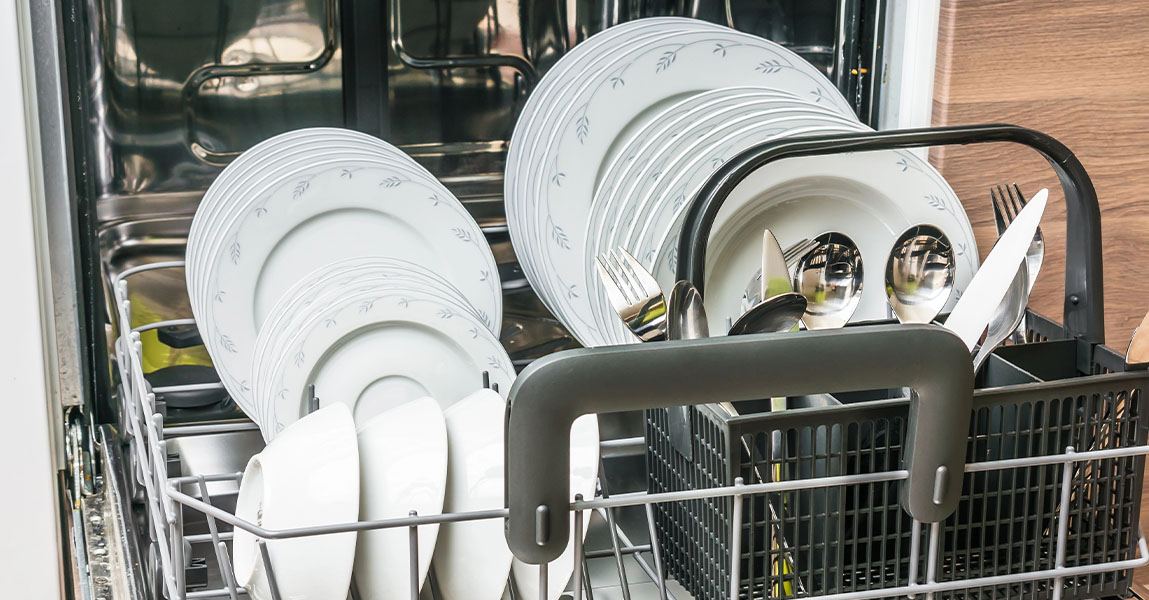
When your dishwasher refuses to fill with water, it can be more than frustrating. It delays cleaning, throws off your evening routine, and leaves you wondering whether it’s a plumbing issue or a problem with the machine itself. One of the most common causes? A faulty or clogged water inlet valve. That’s why starting with the inlet valve makes the most sense. It’s a key part of the dishwasher’s water flow system, and when it fails, the entire cycle is disrupted.
How the Water Inlet Valve Works
The inlet valve controls how much water enters the dishwasher during the wash cycle. In other words, it acts like a gatekeeper. It opens to allow water from your home’s plumbing system to flow into the dishwasher tub. Then it closes once the correct amount has entered. It works in sync with the control board and sensors that tell it when to open and close.
If the valve doesn’t open at all, the dishwasher remains dry. However, if it opens partially or closes too soon, your machine may not get enough water to clean the dishes effectively. Consequently, checking this part early in your troubleshooting process can save a lot of time and guesswork.
What to Look For When Inspecting the Valve
Before diving into inspection, we always recommend cutting power to the unit for safety. After that, you can locate the inlet valve behind the bottom panel, usually near where the water line connects. It’s typically secured with screws and may require a wrench or pliers to access fully.
Once exposed, check for visible signs of damage or corrosion. For example, mineral buildup, rust, or frayed wiring can all affect performance. If everything looks clean, you can go one step further by testing it with a multimeter. Set the tool to measure ohms and place the probes on the valve terminals. A good valve should show continuity. If the reading shows infinite resistance or zero, the valve likely needs to be replaced.
For those of us without technical tools, there’s still a simple trick. Gently remove the inlet screen (if visible) and check for debris or sediment. Even a small clog can stop water from flowing freely. Cleaning it out might get things working again.
When It’s Not the Valve
There are times when the inlet valve looks fine, yet the dishwasher still won’t fill. That doesn’t necessarily mean the valve isn’t involved. It might not be receiving the electrical signal needed to open. That’s where we suggest moving up the line and checking the float switch. This component detects the water level and prevents overflow. If it’s stuck in the “up” position, it sends a false signal that the dishwasher is already full.
Another possibility is a blocked or kinked water supply line. Therefore, it’s worth making sure the water shutoff valve is fully open and the hose is not twisted. A supply issue outside the dishwasher can mimic the symptoms of a faulty inlet valve.
Sometimes, even the dishwasher door latch can play a role. If the door doesn’t close properly, the machine might not start or fill at all. That’s why we never assume it’s just one part—we check everything in sequence to avoid missing the real issue.
Tools and Tips for a Successful DIY Fix
You don’t need to be an expert to replace or clean the inlet valve, but a few tools and precautions will help. We recommend using a towel to catch any water that might spill when disconnecting hoses. A flashlight helps too, especially when working in dim spaces under the counter.
Needle-nose pliers are handy for removing hose clamps. Meanwhile, a bowl or small container can keep screws and clips from getting lost. Remember to snap a photo before disassembly. That way, you have a visual reference when putting it all back together.
In some cases, if your dishwasher model has a more complex design, the process might be trickier. That’s when it might make more sense to speak to a local technician for advice or book a proper service. If you suspect something more serious than the inlet valve, like a faulty control board or pressure switch, the fix usually goes beyond a typical DIY job.
If you’ve already checked the basics and are still running into issues, consider getting help from professionals who focus on dishwasher repair in St Albert. Getting the right fix the first time can save money and hassle in the long run.
Maintenance to Prevent Inlet Valve Problems
Regular maintenance goes a long way in keeping the inlet valve clean and operational. One simple tip is to occasionally run a cycle with dishwasher cleaner. This helps break down mineral buildup inside the unit. In addition, inspecting the water supply line every few months can alert you to any slow-developing leaks or obstructions.
We also recommend installing a water softener if your home has hard water. Hard water causes faster mineral accumulation, which can clog screens and valves. Therefore, taking care of your water quality helps preserve every internal part of your dishwasher, not just the inlet valve.
Over time, even well-maintained valves can wear out. The internal solenoid, which controls the open-close function, can fail without warning. That’s why paying attention to changes in dishwasher sound or wash performance is important. A quieter-than-usual fill cycle or dishes coming out dirty can be early signs something’s off.
If you’re unsure about the health of your appliance, it may be time to schedule appliance repair in St Albert. Early intervention can often prevent bigger, more expensive breakdowns.
How We Troubleshoot Valve Issues at Home
When we get a call about a dishwasher not filling, we follow a consistent routine. Firstly, we confirm the dishwasher is getting power and the door is latching correctly. Secondly, we check the water supply line and shutoff valve. If all that looks fine, we move on to the inlet valve and float switch.
In many homes, the problem ends up being a clogged screen or a stuck float. Both can be fixed in under an hour with basic tools. However, in cases where the valve has failed electrically, we make sure to replace it with a part that matches the exact model. In other words, compatibility matters more than price when it comes to replacement.
Customers often ask if they can just buy any universal valve, but that’s risky. Each dishwasher model has different flow requirements and pressure ratings. Therefore, sticking to the correct part helps prevent future failures or poor wash results.
If you need help diagnosing your machine or you’re ready to book a repair, don’t hesitate to Contact Us. Our team is here to walk you through the steps or handle the fix if needed.
FAQs About Dishwasher Filling Problems
Why won’t my dishwasher start filling with water?
This usually points to a problem with the inlet valve, float switch, or water supply. Start by checking if the water shutoff valve under the sink is open.
Can a clogged filter stop water from entering the dishwasher?
Yes, a clogged inlet screen or sediment trap can block water flow. Cleaning this small screen often restores normal function.
Do I need special tools to replace the inlet valve?
No, just basic tools like a wrench, pliers, and a screwdriver are enough. Always unplug the appliance first before starting any repair.
How long should a dishwasher inlet valve last?
Most last between five to ten years. However, mineral buildup or electrical faults can shorten that lifespan.
Is it worth fixing a dishwasher that won’t fill?
If the issue is limited to the valve or supply line, then yes. These are affordable parts and repairs that can restore full function.